Enhancing Interior Spaces with Stone Veneer A Comprehensive Guide
Introduction In the realm of interior design, the use of stone veneer has become increasingly popular for its ability to add a touch of elegance and sophistication to any space. Stone veneer provides the luxurious look of natural stone at a fraction of the cost, making it a versatile and cost-effective choice for both residential and commercial interiors. In this comprehensive guide, we will explore the various aspects of utilizing stone veneer in interior design, from its benefits and types to installation techniques and maintenance tips. Benefits of Stone Veneer Interior Stone veneer offers a myriad of benefits when used in interior spaces. One of the primary advantages of stone veneer is its aesthetic appeal. The natural textures and colors of stone can create a warm and inviting atmosphere, adding character and charm to any room. Additionally, stone veneer is highly versatile and can be used in a variety of applications, such as accent walls, fireplace surrounds, kitchen backsplashes, and even as flooring. Another key benefit of stone veneer is its durability. Unlike traditional stone, which can be heavy and difficult to install, stone veneer is lightweight and easy to work with. It is also resistant to cracks, chips, and stains, making it a long-lasting and low-maintenance option for interior design. Types of Stone Veneer There are several types of stone veneer available on the market, each with its own unique characteristics and applications. The most common types of stone veneer include: 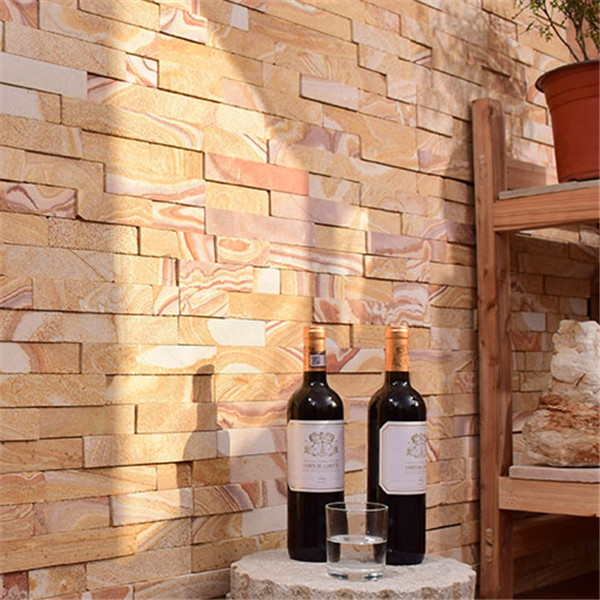 1. Natural Stone Veneer: Made from real stone that is cut to a thin thickness, natural stone veneer provides the authentic look and feel of natural stone. It is available in a wide range of colors and textures, making it a versatile choice for interior design. 2. Manufactured Stone Veneer: Also known as faux stone, manufactured stone veneer is made from a mixture of cement, aggregates, and iron oxides to mimic the appearance of natural stone. This type of stone veneer is lightweight, easy to install, and more affordable than natural stone veneer. 3. Brick Veneer: While not technically stone, brick veneer is a popular choice for adding a rustic and traditional look to interior spaces. Brick veneer is available in various colors and sizes, allowing for endless design possibilities. Installation Techniques Installing stone veneer in interior spaces requires careful planning and attention to detail to ensure a professional and long-lasting result. The following are some key installation techniques to consider when working with stone veneer: 1. Surface Preparation: Before installing stone veneer, it is important to prepare the surface by cleaning it thoroughly and ensuring it is free of dust, grease, and debris. This will help the adhesive bond properly to the substrate. 2. Adhesive Application: Use a high-quality adhesive specifically designed for stone veneer to ensure a strong and secure bond. Apply the adhesive to the back of the stone veneer using a trowel, making sure to cover the entire surface. 3. Setting the Stones: Carefully place the stone veneer pieces onto the prepared surface, starting from the bottom and working your way up. Use spacers to maintain even spacing between the stones and ensure a uniform look. 4. Grouting: Once the stone veneer is in place, fill the gaps between the stones with grout to create a seamless and polished finish. Choose a grout color that complements the stones for a cohesive look. Maintenance Tips To keep your stone veneer interior looking its best, it is essential to follow proper maintenance practices. Here are some tips to help you maintain the beauty and longevity of your stone veneer: 1. Regular Cleaning: Clean your stone veneer regularly using a mild detergent and water to remove dust, dirt, and stains. Avoid using harsh chemicals or abrasive cleaners, as these can damage the surface of the stone. 2. Sealing: Depending on the type of stone veneer you have, you may need to apply a sealer to protect it from moisture, stains, and discoloration. Consult with the manufacturer or a professional to determine the appropriate sealer for your stone veneer. 3. Avoid Sharp Objects: Be cautious when placing or moving objects on or near your stone veneer surfaces to prevent scratching or chipping. Use coasters, placemats, or furniture pads to protect the stone from damage. 4. Inspect Regularly: Periodically inspect your stone veneer for any signs of damage, such as cracks, chips, or loose stones. Address Roofing Slate to prevent further damage and maintain the integrity of the installation. Conclusion Stone veneer interior offers a versatile and visually appealing option for enhancing the aesthetic appeal of any space. Whether you prefer the authentic look of natural stone or the affordability of manufactured stone veneer, there are numerous options available to suit your design preferences and budget. By following proper installation techniques and maintenance tips, you can enjoy the beauty and durability of stone veneer in your interior spaces for years to come.